Chapter 1 — OpenCompany
The why, what, and how behind OpenCompany
Louis M. Morgner — Feb 27, 2026 — 12 min read
I think of life and companies as a book I am writing. Any life or company can be viewed through this lens. With all its unexpected twists, wins, and losses.
People tend to approach life in one of two ways.
1. Being passive observers of their life and thus letting life write their story for them.
2. Being active authors of their life's narrative and claiming power over how things go.
I prefer the latter. This doesn't remove uncertainty, changes, or mistakes. But it allows you to have clarity on what you are doing and why. And let one chapter flow naturally into the next. While being conscious of the current chapter and why it matters at any given time.
I deeply believe this is how you create the life you want. And have a higher likelihood of making a dent in the universe. So naturally, this is how I want to run my life and the companies I build.
This is why I am writing this. Our first chapter of OpenCompany. You can think of it like a plan with many assumptions. And we will likely be wrong on a few of them. But that's not the point.
The point is to create clarity for myself, our team, our investors, and our customers and partners along the way. So we are spending the next weeks intentionally on the things we believe in today. And not subconsciously get distracted by things that don't matter.
Where This Came From
The journey from Acta to OpenCompany.
As OpenCompany grew out of our work at Acta, I want to take some time to share the journey we've been through — as this creates the foundation of what we are doing today.
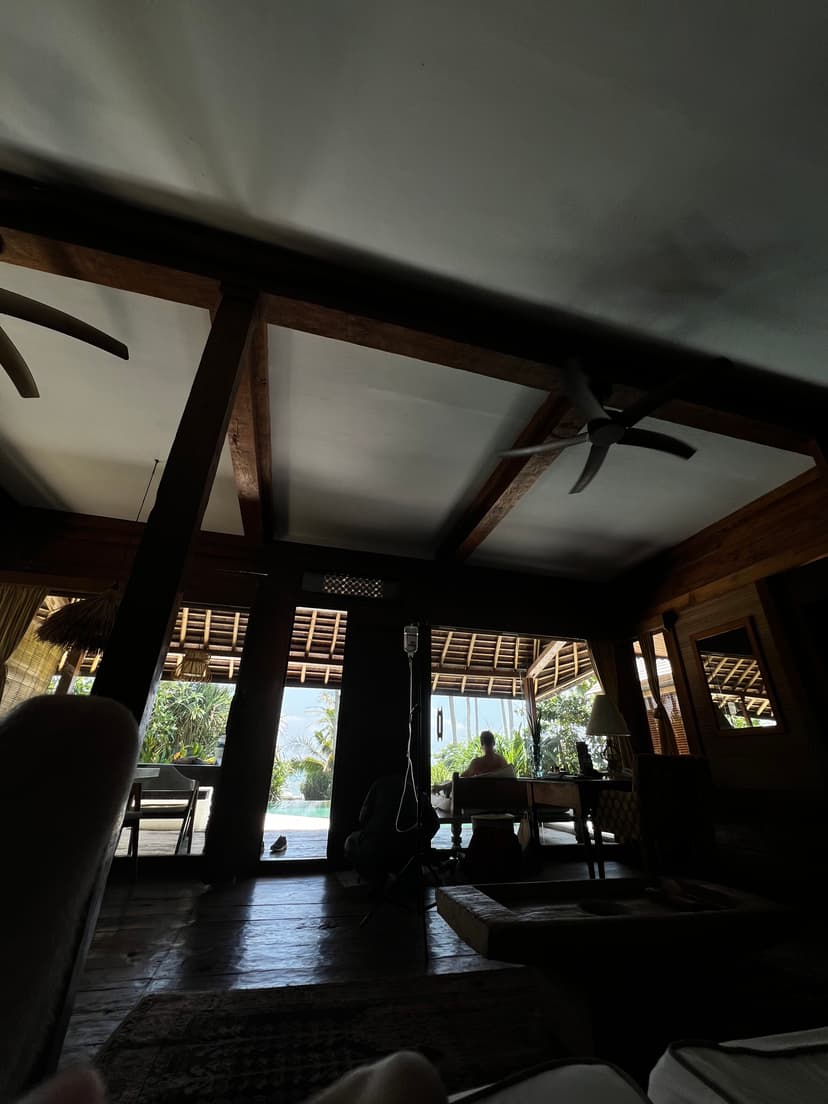
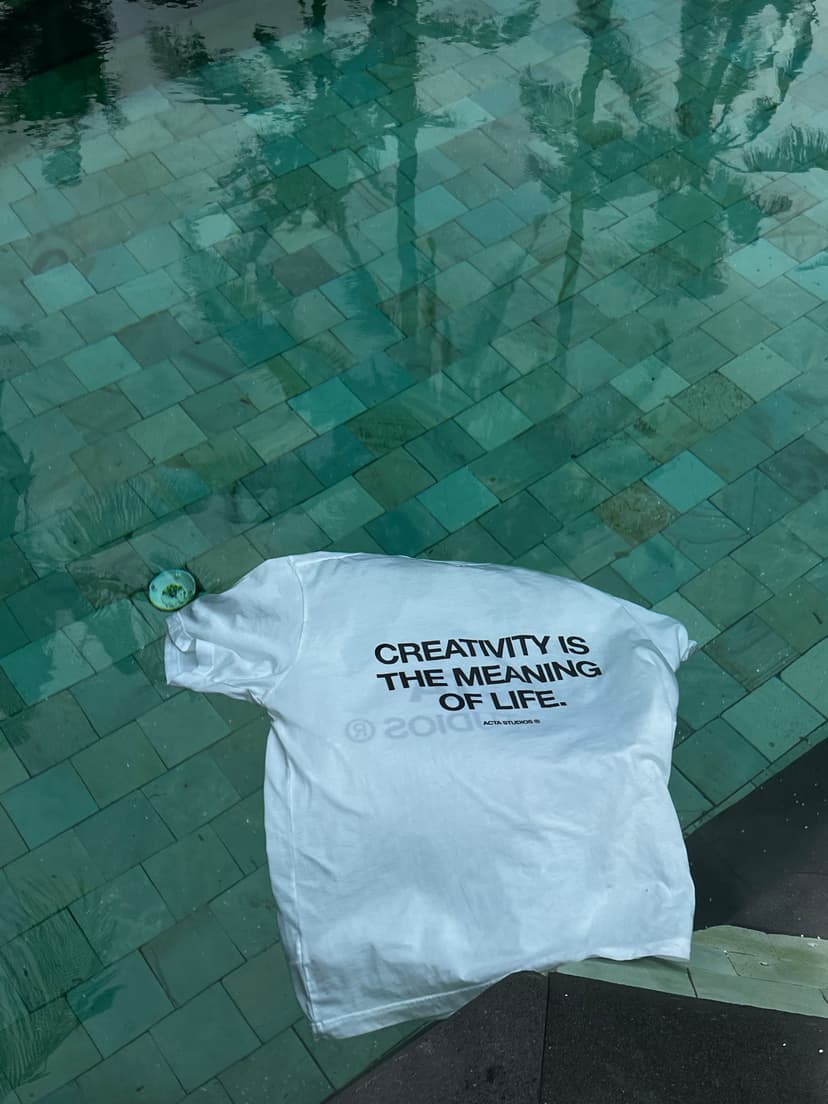
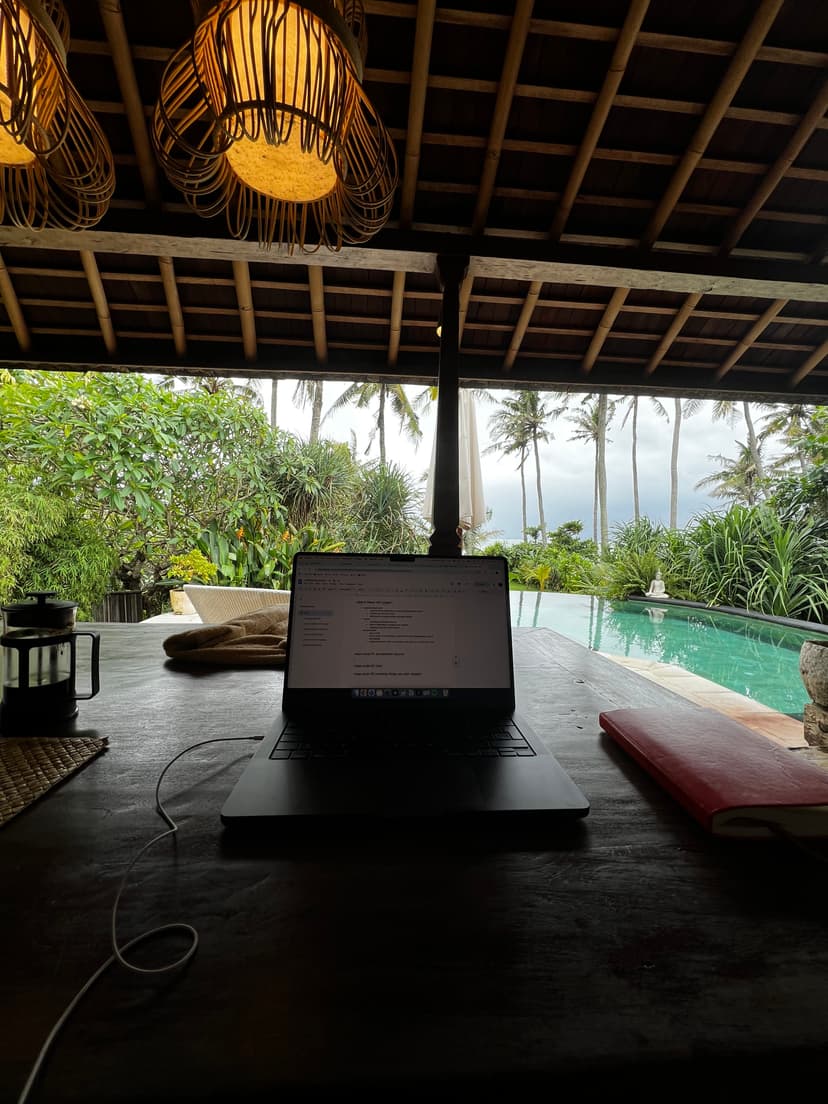
Last year in February, the idea of Acta was born on Bali while I was spending a few weeks with Bjoern. We talked a lot, had experiences, and through spending time together a loose vision of what we wanted to do in our next chapter in life emerged.
Bali, Feb '25
We both believe that how we think about life and building companies in the west is broken. That entrepreneurs don't need to adopt the belief of needing to suffer for many years to one day make money. But that rather, there is a better, more aligned way to create and live. The simplest form of this foundational belief is:
If people find their way back to their true nature, they will contribute the most to society and live their happiest lives.
Quickly this turned into Acta. Our idea was to create a new environment where young founders, builders, and creatives come to discover what they truly want to do in the world and combine it with what we know best: building businesses.
We got a team together, started working on the first projects, shipped the first things to the world, got our first users, made our first little revenue, and went ahead testing our hypothesis with full conviction.
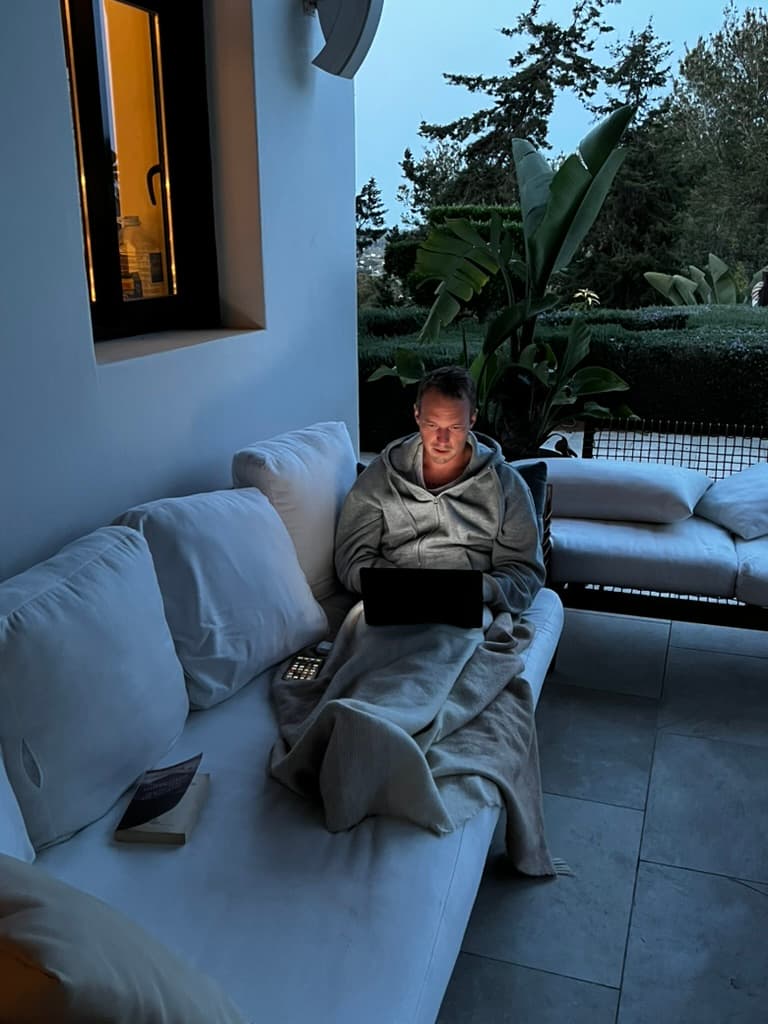
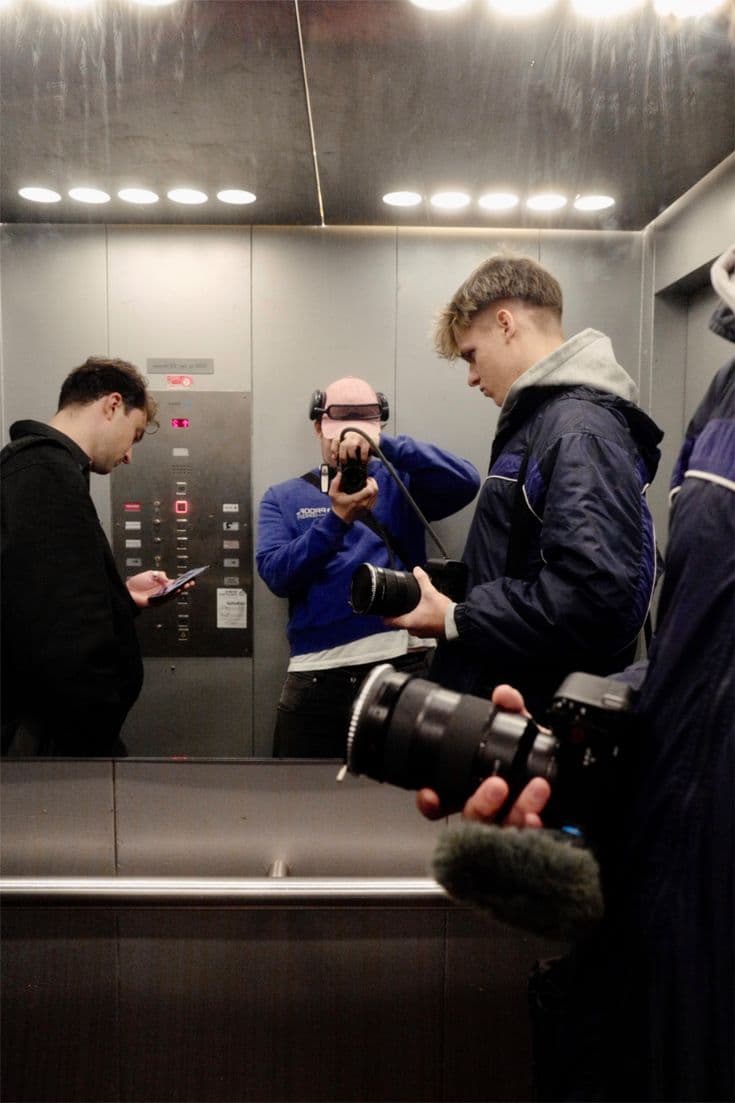
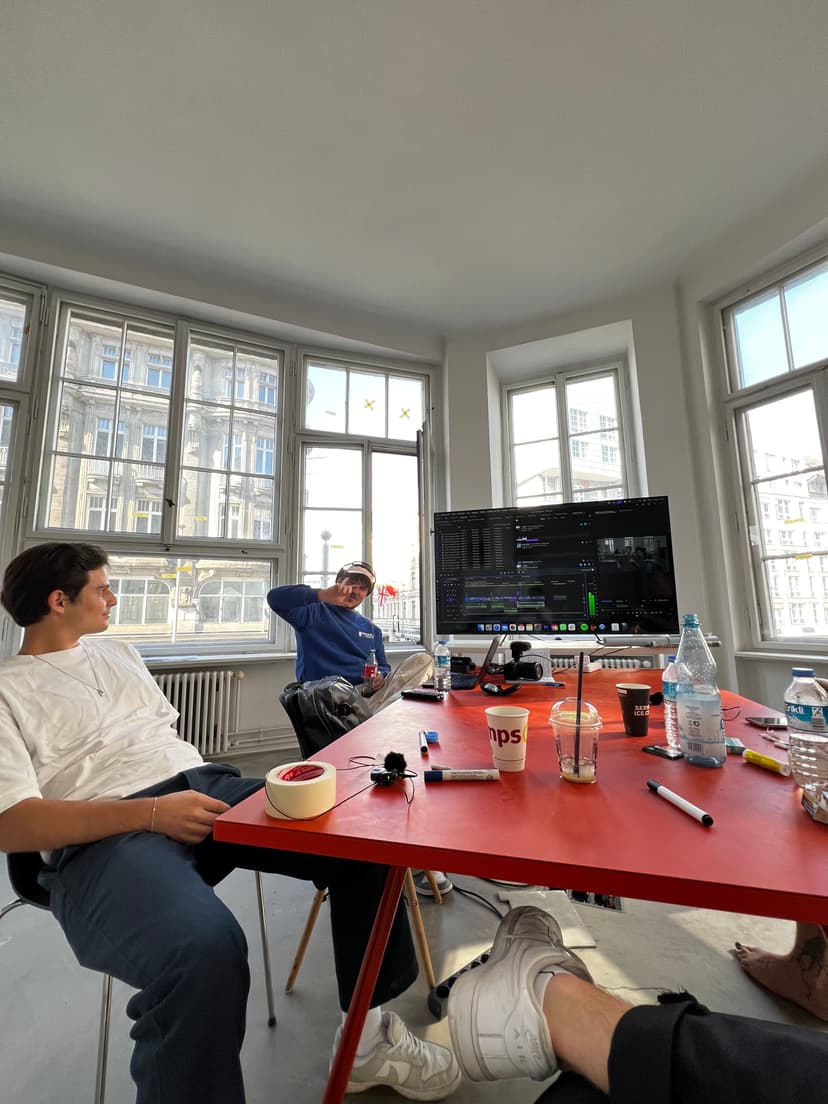
Around October, we moved to Cape Town for the winter to fully embrace the process of building companies and working on that personal delta for everyone. These months looked exactly like the early stage startup days are supposed to look: talking to users, shipping products, documenting the process, iterating rapidly.
However, around December we learned a lot about our setup and the individuals in that setup. Our venture studio model was not working as quickly as we needed given the runway we had.
Bjoern and I always had a concept we referenced called X-factor. The difference between an okayish founder and an exceptional founder. This loose concept captures a mix of high-agency, killer instinct, sensing of impulses, and a capacity to take responsibility for your own fate — all while having a good foundation in your nervous system to be fit for what it takes to build a company.
After matching our existing team to this concept carefully, we realized the capacity of the individuals to truly build and lead a company was not given to the extent we think is required to succeed on the level we want to succeed.
So in early January 2026, we put truth in the room: either bring your venture to profitability in 90 days, or get paid 10k to leave right now. We had to say goodbye to some of the team. This is nothing bad — from what I was observing, everyone made progress on their personal delta. Not everyone should be a founder, or even wants to be one once you remove the status and money you think comes with it.
This left me in front of a blank canvas again. And although it is always emotional to let people go, it felt freeing at the same time.
The hard thing is rarely to stop something if it doesn't work at all. But if there is early evidence and a way of things working, but yet it not feeling fully right. Saying no to good opportunities in service of a better opportunity.
First demo session
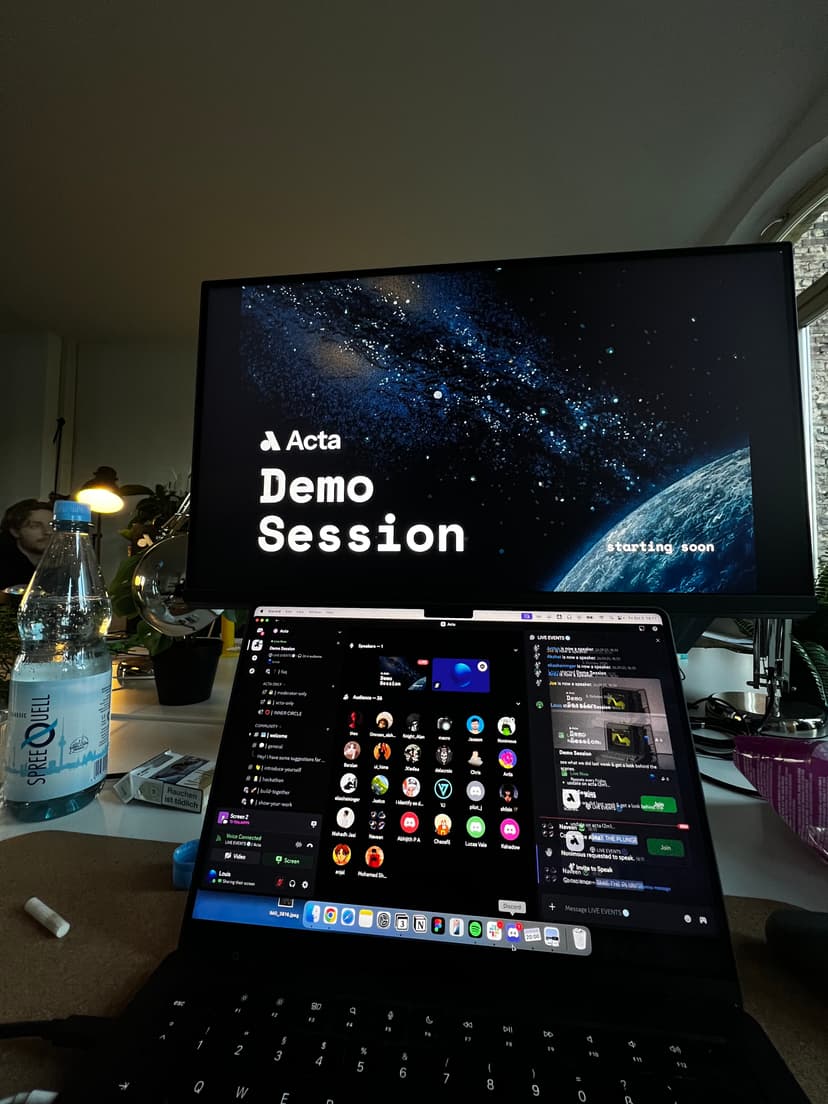
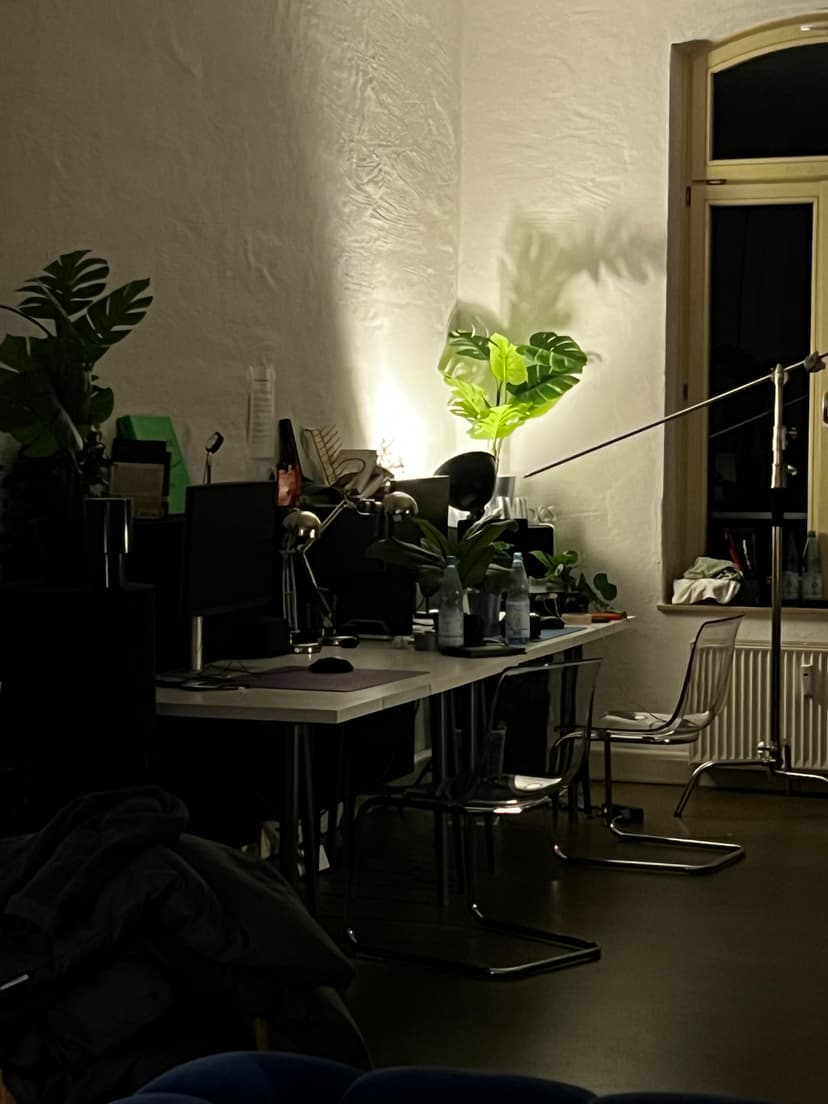
The Idea
One sleepless night and the opportunity ahead.
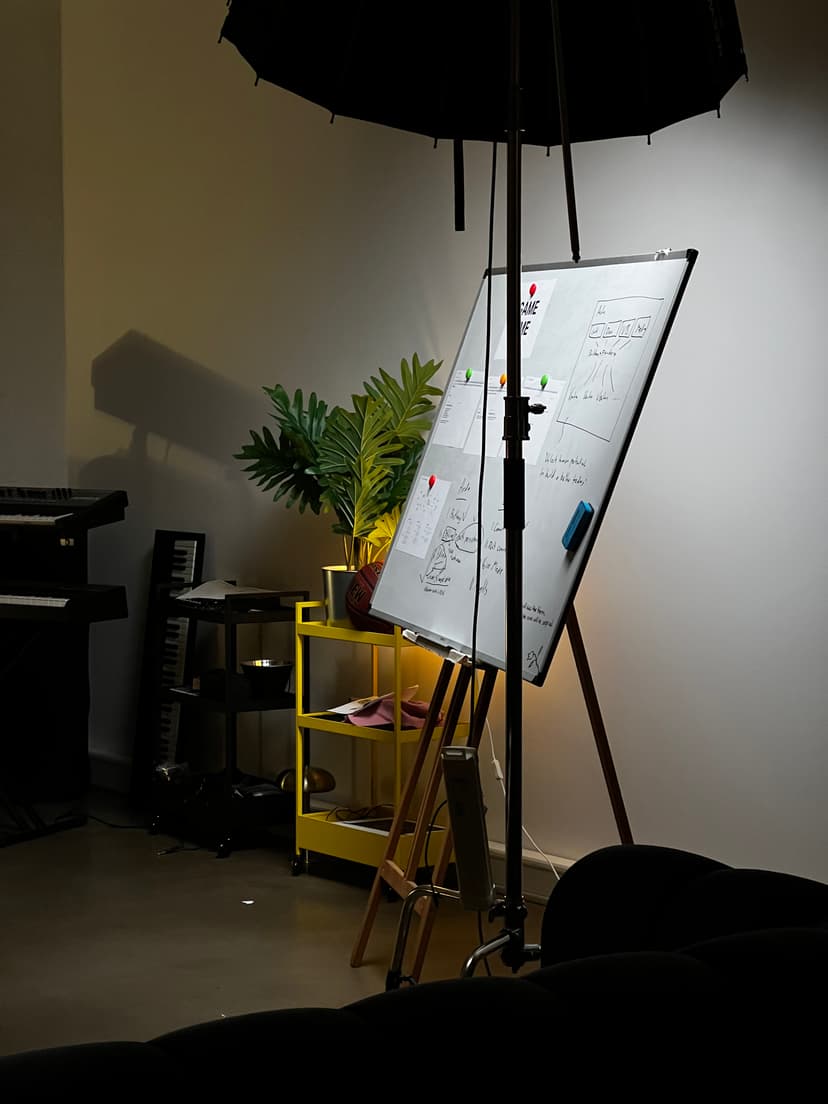
I had one night in February where I couldn't sleep because an idea wouldn't let me.
A few times in the past I felt a strong impulse for a certain opportunity to build technical products in the market a few years before these ideas were turned into billion-dollar companies by other entrepreneurs. Back then, I was busy with other priorities. But this time, it is different.
A few hours on the whiteboard later, the initial idea for OpenCompany was born.
The core realization is this:
The raw horsepower of intelligence is here through the exceptional work the frontier model labs like OpenAI and Anthropic have been doing. But the application of this intelligence in companies is still very limited. We see how coding has been accelerated with AI, but the other domains in a company mostly haven't.
That's why I see an enormous opportunity to build on the application layer of AI and orchestrate intelligence in a way that is useful and productive to companies.
The OpenClaw moment has shown all of us what is possible from a capability perspective with these models today. But it is not useable for nearly all companies due to security flaws and lacking controls to truly trust AI to co-work with you. Layering this on top of the current political landscape in Europe, European companies have even fewer ways to simply buy and deploy AI that truly gets work done.
My dream for OpenCompany is that we allow companies to co-run their business with AI. And do so in a safe, reliable, and capable way.
To me, we are still extremely early in this transition of the world. And the application plane is there to be taken. Luckily for us, this is not a game where the size of your funding round determines your success. But rather, it is a game of the new era of product building where taste, user experience, and the orchestration of intelligence become the input variables for success.
This is what I want to do. And go all in on.
Chapter 1
What we are building and why.
This brings us to Chapter 1 of OpenCompany. We are going all in on this opportunity with our core team of Johann, Chris, Justus, Joe, and with the support of Bjoern who will mentor and guide us as we embark on this crazy ride.
The ultimate goal with OpenCompany is to bring AI in a useful and safe way into organizations. We believe that AI will run companies alongside humans and we want to build the interface and platform on which this is done. Open, secure, and useful.
To get there, we are building 2 things.
First, agent platform — an open source runtime layer for agents to do work in, where permissions, integration, and capability are managed.
Second, OpenCompany — an end-user software to provision access, integrations, and agents to your team easily with shared company and domain context.
As we're starting from zero, we need to pick a focus to start with — which will be agent platform.
The problem: the setup and security is a nightmare making it hard to use day to day. Common pain points include:
- Saving sensitive secrets in plain text and injecting them into the LLM context
- Complicated setups on virtual machines or Mac Minis
- Bad and destructive actions due to lacking controls for the agent
- Fragmented agent setups leading to different levels of productivity
Our solution: build a simple model and agent-agnostic layer that spawns sessions in a sandboxed cloud environment with secure handling of secrets that are auto-configured for your use-case without needing to think about it.
becomes
Without any worktree, secrets, or config issues. It just works.
The Team
The people making this happen.
We don't take lightly that this is a hard thing to pull off. Which is why the team matters.
Johannis obsessed with open source and cutting-edge developer experiences. He deeply understands the world we are building for — and has the rare ability to translate that understanding into product that developers actually love. He doesn't just build for this community. He is this community.
I, Louis, have already built a successful B2B SaaS company in the AI meeting notetaker space. It is now the leading company of its kind in Europe. That journey taught me exactly what it takes to go from zero to traction — how to talk to users, how to orchestrate a team, and how to build product in a fast-moving AI market. That's the playbook I'm bringing here.
Chris and Justus have proven they can get millions of impressions and get people genuinely excited about what we do through unique storytelling. In a game where developer trust is everything, that is an unfair advantage.
And with Bjoern in our corner — someone who has built businesses significantly more successfully than most — we have the mentorship and perspective to not just move fast, but move smart.
The Milestone
What success looks like for chapter 1.
Once we have established agent platform as a foundation with initial traction and developer trust, we can start bringing this closer to the end user layer and eventually build out a platform where skills and agents are contributed by the community and auto-discovered by agent sessions to increase the capability of agents.
With this, we can go and raise our seed round from investors we want to work with and go up the stack aggressively.
The milestone for Chapter 1 is simple: reach 10,000 AgentPlatform sessions per week.
This would prove that there is a real foundational need in the market for developers to run agents with less friction and more security.
Next to building this product and talking to users, we want to already start by spreading the word aggressively through what we know best: content. We are flying to San Francisco in early March to learn from developers at the frontier, build out our brand, and create trust and partnerships with influential figures there.
To break this down practically:
Product— Johann & Louis: building agent platform & talking to users
Content — Chris: producing 20+ long-form episodes with influential SF figures that contribute to the public perception of AI and what it can do today. Justus: dominating the short-form algorithm by sharing what we do, educating people on agent platform, and raising attention for our work and story.
Joe will play a relevant role in supporting the core team across our different initiatives.
I come back to a well-established saying in SF these days: you should always take the shot at a large outcome even if there's only a 10% success likelihood.
We are taking this shot. And going all in.
If you ask me, we have a >90% likelihood of playing a relevant role in the AI ecosystem. With all the shiny things in startup land, our north star is simple: make something people want. Talk to users. Do the hard thing first. Show up with resilience.
I'm ready for this journey. And I trust, you are too.